MLYNARCZYK LAB
Research

Mlynarczyk Lab

Research

Research

Research programmes

Four editorially structured programmes summarise the laboratory’s current and foundational work using verified public sources.
01

Cell competition in germinal centres

How do B cells acquire competitive fitness that can seed malignant transformation?

Germinal-centre B cells undergo rapid proliferation, mutation and stringent selection. The lab studies how mutations such as those affecting BTG1 alter competitive fitness, allowing abnormal clones to dominate otherwise regulated immune reactions.

Multi-allelic mouse models, patient-derived systems and primary human samples are used to connect altered competition with aggressive diffuse large B-cell lymphoma and to distinguish adaptive immune selection from malignant evolution.
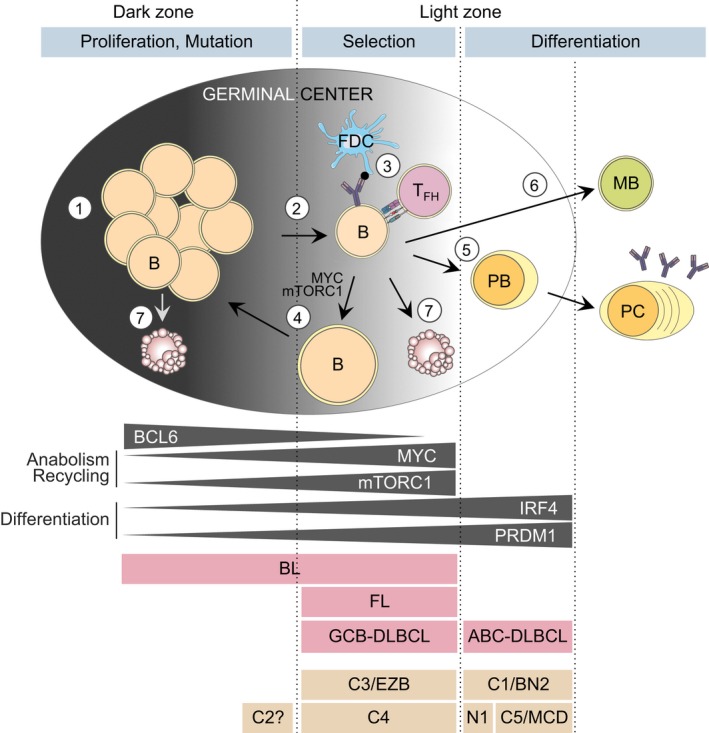
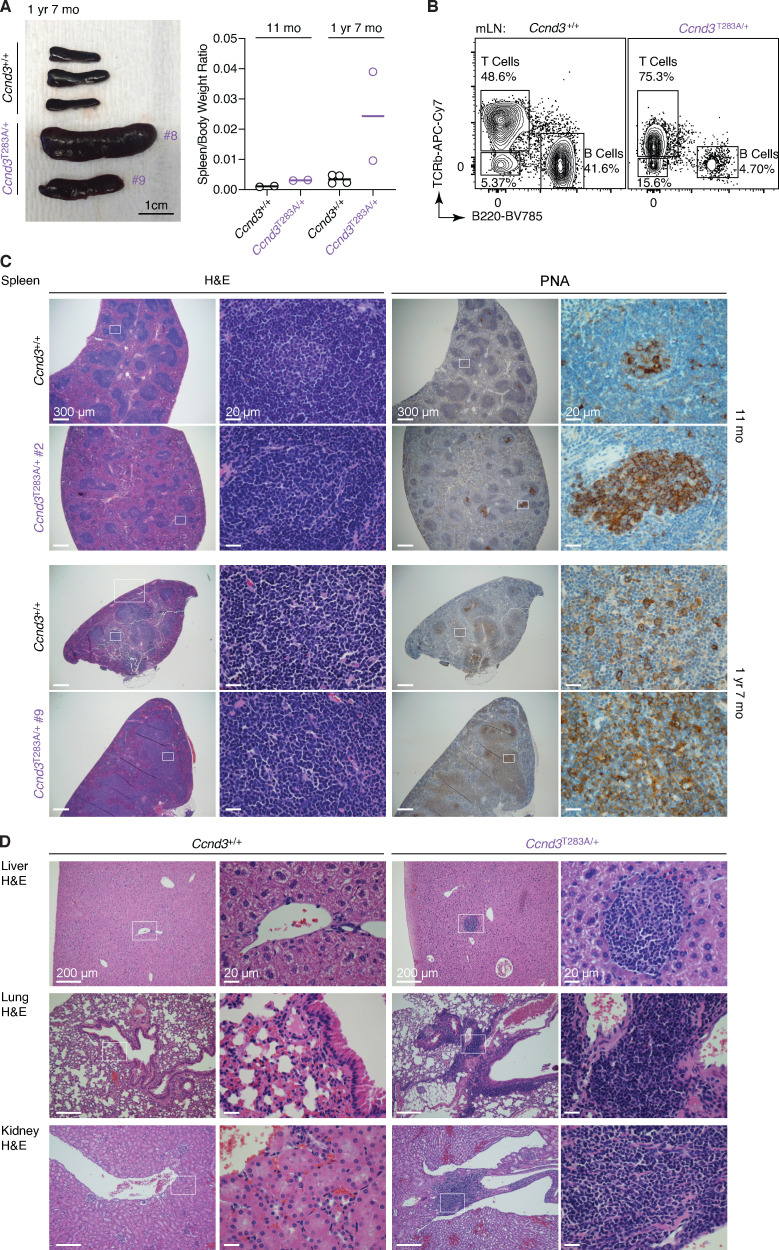
Open-access figures illustrating BTG1-driven competitive fitness and lymphoma development.
02

Metabolic and biosynthetic fitness

How do highly competitive B cells sustain exceptional growth and biosynthetic demand?

Competitive B cells and lymphomas must match rapid cell division with increased nutrient uptake, mitochondrial activity and macromolecular synthesis. The programme maps metabolic states associated with superior fitness and aggressive disease.

Metabolic flux measurements are integrated with genetic perturbation and functional assays to identify dependencies that are dispensable in normal B cells but essential in clinically unfavourable lymphomas.

Open-access figures showing cell-cycle control and proliferative behaviour in germinal-centre B cells.
03

Cell-state plasticity and lymphoma evolution

How do chromatin and signalling changes redirect B-cell fate during lymphoma initiation?

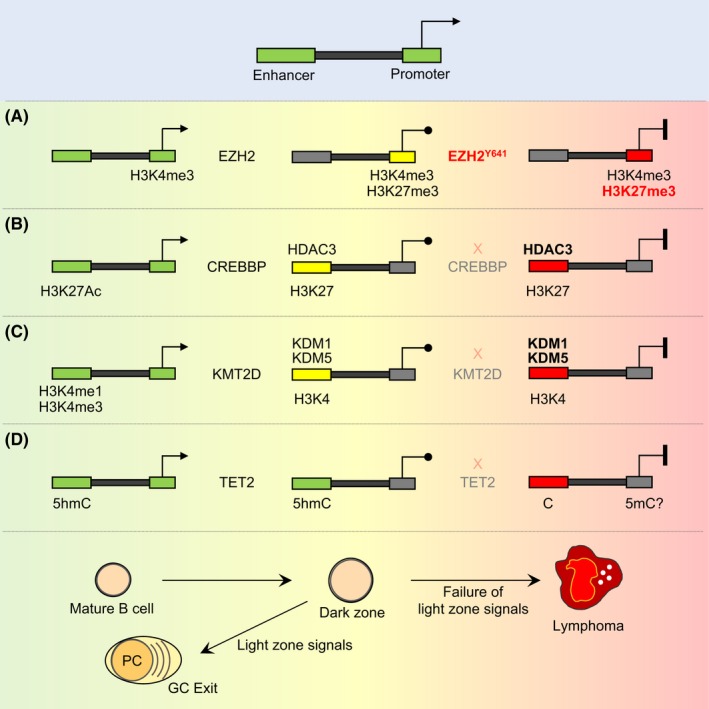
The laboratory examines how normal germinal-centre plasticity is co-opted during lymphomagenesis. Changes in chromatin regulators such as ARID1A can alter sequential transcription-factor binding and push cells towards high-risk precursor states.

By combining genomics, imaging and functional models, the programme traces how transient immune states become stable malignant identities and how those states influence disease subtype and clinical behaviour.

Open-access figures linking ARID1A loss, transcription-factor programmes and lymphoma cell fate.
04

Dissemination, therapy resistance and vulnerabilities

Why do aggressive B-cell lymphomas escape their niches and resist treatment?

Aggressive DLBCL cells must survive outside their original lymphoid niche and adapt to new microenvironments. The group investigates extracellular signals, cell-cell communication and biochemical adaptations that support dissemination.

Mechanistic findings are tested in patient-relevant models to identify vulnerabilities for rational combination therapies, with emphasis on relapsed or refractory disease.

Open-access overview figures connecting germinal-centre biology with lymphoma evolution and therapeutic opportunities.